Issue 04/October 2026 Avoiding late payments with an invoicing strategy
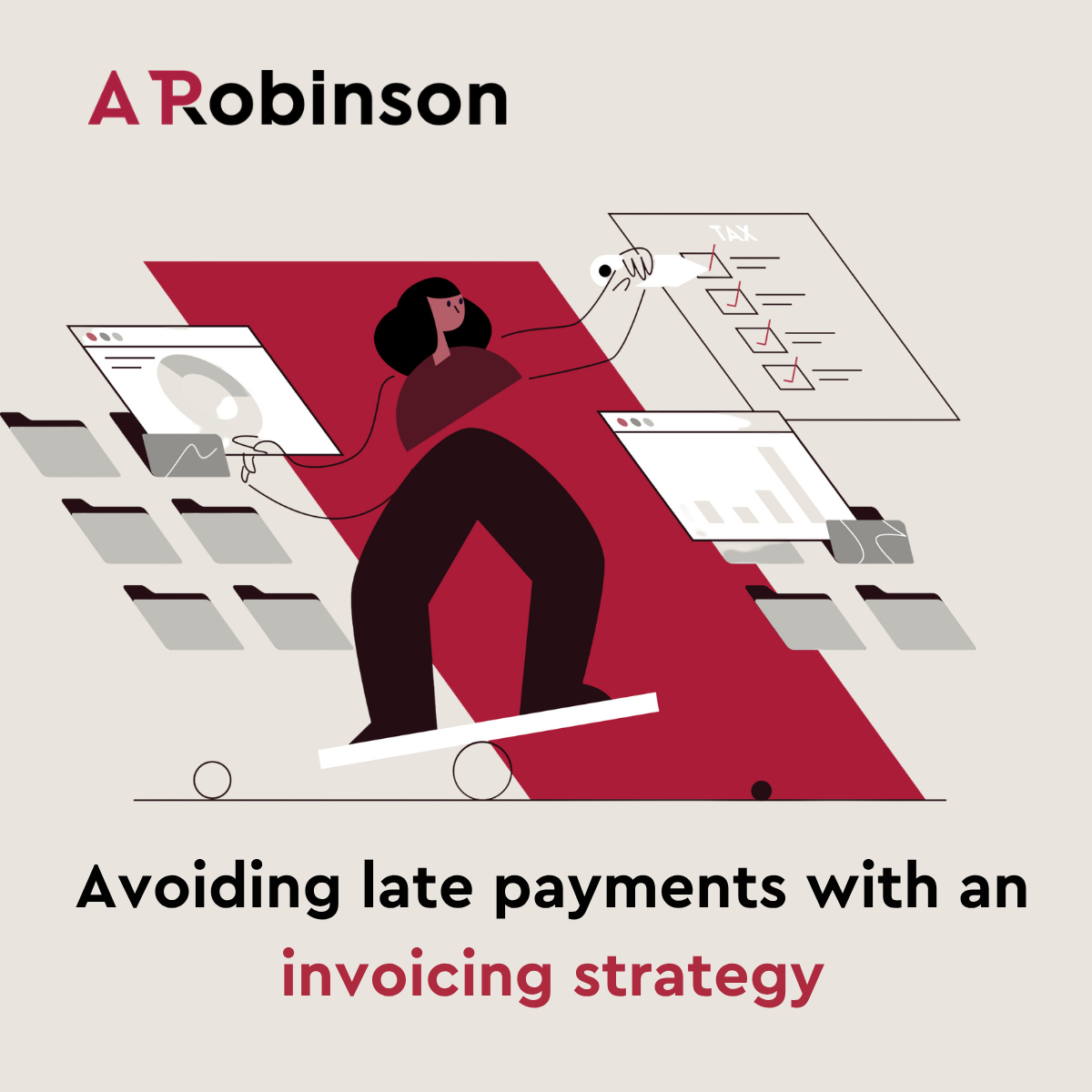
Avoiding Late Payments: 10 Invoicing Strategies to Improve Cash Flow
Late payments remain one of the biggest challenges facing SMEs. They can disrupt cash flow, delay growth plans and, in severe cases, threaten the future of a business.
While proposed government legislation aims to tackle persistent late-paying organisations, businesses should take proactive steps to ensure they are paid on time. A strong invoicing and credit control process can make a significant difference to cash flow and reduce the risk of bad debts.
Here are 10 practical ways to strengthen your invoicing strategy and encourage prompt payment.
1. Agree Payment Terms Before Work Begins
Clear expectations prevent misunderstandings.
Before starting any work, ensure payment terms are agreed in writing. Include:
- Payment due dates
- Accepted payment methods
- Late payment procedures
- Any applicable interest or charges
Having these terms documented makes it easier to resolve disputes and supports stronger payment compliance.
2. Invoice Promptly
The sooner an invoice is issued, the sooner the payment countdown begins.
Many businesses delay invoicing until the end of the month, unintentionally extending payment times. Instead, send invoices immediately after delivering goods or completing services.
3. Make Invoices Clear and Accurate
Errors can significantly delay payment.
Every invoice should include:
- Invoice number
- Customer details
- Purchase order references
- Clear description of goods or services
- Payment instructions
- Due date
- Contact details for account queries
The easier an invoice is to understand, the faster it is likely to be approved and paid.
4. Offer Multiple Payment Options
Convenience can accelerate payment.
Consider offering:
- Bank transfer
- Debit and credit card payments
- Online payment links
- Direct debit options
Reducing barriers to payment can improve collection times and customer experience.
5. Check Customer Creditworthiness
Prevention is often better than recovery.
Before working with a new customer, carry out basic due diligence, including:
- Credit checks
- Trading history reviews
- Existing County Court Judgments (CCJs)
- Insolvency history where relevant
Understanding a customer's financial position can help reduce exposure to future bad debts.
6. Request Deposits or Stage Payments
For larger projects, avoid carrying all the financial risk.
Requesting:
- An upfront deposit
- Milestone payments
- Interim invoices
helps improve cash flow while reducing the impact of delayed final payments.
7. Automate Payment Reminders
Many late payments happen simply because invoices are forgotten.
Modern accounting software can automate reminders:
- A few days before payment is due
- On the due date
- Shortly after the due date passes
Automation ensures consistent follow-up without creating additional administration.
8. Create a Structured Credit Control Process
Successful businesses rarely leave debt collection to chance.
A simple process might include:
- Reminder before the due date.
- Reminder on the due date.
- Follow-up email or telephone call after the due date.
- Escalation procedures for persistent non-payers.
Consistent action often leads to quicker results.
9. Build Strong Customer Relationships
Good communication can resolve issues before they become payment problems.
Regular contact with customers can help identify:
- Invoice queries
- Administrative delays
- Approval bottlenecks
- Potential payment concerns
Strong relationships often lead to faster resolutions and improved payment performance.
10. Use Your Legal Rights When Necessary
While legal action should generally be a last resort, businesses should be prepared to take appropriate action when required.
Depending on the circumstances, you may be entitled to:
- Charge statutory interest on overdue invoices
- Recover debt collection costs
- Pursue formal recovery procedures
Often, simply reminding a customer of these rights can encourage prompt payment.
A Simple Formula for Getting Paid Faster
Many successful SMEs follow the same approach:
Credit check new customers
Agree terms in writing
Take deposits where appropriate
Invoice immediately
Include convenient payment options
Send automated reminders
Follow up quickly on overdue accounts
Escalate outstanding debts without delay
Improve Your Cash Flow with the Right Processes
A strong invoicing strategy helps businesses improve cash flow, reduce bad debts and spend less time chasing payments. Small changes to your payment processes can have a significant impact on your financial stability and growth.
Need Help Improving Your Credit Control Process?
Whether you need advice on invoicing procedures, cash flow management or debt collection strategies, our team can help you create robust systems that keep your business moving forward.
Contact us today to discuss how we can help you get paid faster and improve your cash flow.